
What Is A Personal Financial Management Course
📖 Table of Contents
- What Is a Personal Financial Management Course?
- Who Benefits from a Personal Financial Management Course?
- What Are the Key Components of a Personal Financial Management Course?
- How Can a Personal Financial Management Course Help You?
- What Are the Different Types of Personal Financial Management Courses?
- How Much Does a Personal Financial Management Course Cost?
- What Are the Benefits of Taking a Personal Financial Management Course?
- Make It Your Way
- Frequently Asked Questions
I remember sitting across the table from my financial advisor, feeling like I was drowning in debt. I had no idea where my money was going, and I was terrified about my future. It wasn’t until I took a personal financial management course that I realized I had the tools to fix my situation — I just hadn’t known how to use them. That course didn’t just teach me how to budget; it gave me a framework for making smarter decisions, tracking my spending, and eventually breaking free from financial chaos.
A personal financial management course is not just for people who are already financially savvy. It’s for anyone who wants to take control of their money — whether you’re starting from scratch or you’re looking to refine your approach. These courses cover everything from budgeting and saving to investing and building credit. I took a course that had real-world examples and hands-on exercises, and it made me feel like I could actually implement what I was learning right away, not just read about it.
The best part of taking a personal financial management course is the sense of clarity it brings. I used to live paycheck to paycheck, barely able to cover my bills. Now, after completing a course, I can look at my monthly budget and see where I’m spending, where I can cut back, and how much I need to save to meet my goals. These courses are more than just information — they’re a roadmap to financial freedom, and they can be life-changing if you’re willing to put in the work.
Why You'll Love This Course
- Gain control over your money with practical, step-by-step guidance.
- Learn to build long-term financial habits that last a lifetime.
- Access expert insights and real-life examples tailored for everyday people.
- Get a clear roadmap to achieve your personal financial goals.
What Is a Personal Financial Management Course?
As of August 2026, if you’re asking yourself, 'What is a personal financial management course?', the answer is simple — it's a program that helps you take control of your finances. These courses are designed for people who want to break the cycle of overspending, debt, and financial uncertainty. Whether you're a young adult just starting out or someone who's been managing money for years, these courses can provide new insights and tools.
One of the most valuable aspects of these courses is the way they break down complex financial concepts into easy-to-understand lessons. For example, I learned how to track my expenses using a simple spreadsheet, and within a few weeks, I noticed where I was overspending without even realizing it. This kind of hands-on learning is what makes these courses so effective.
These courses often include interactive exercises, such as creating a budget, setting financial goals, and learning how to build and maintain credit. They also provide real-life scenarios and case studies that help you apply what you're learning in your own life. It's like having a personal financial coach guiding you through each step of the way.[1]
Use a simple app or spreadsheet to track your spending for a week. This will help you understand where your money is going and where you can cut back.
Who Benefits from a Personal Financial Management Course?
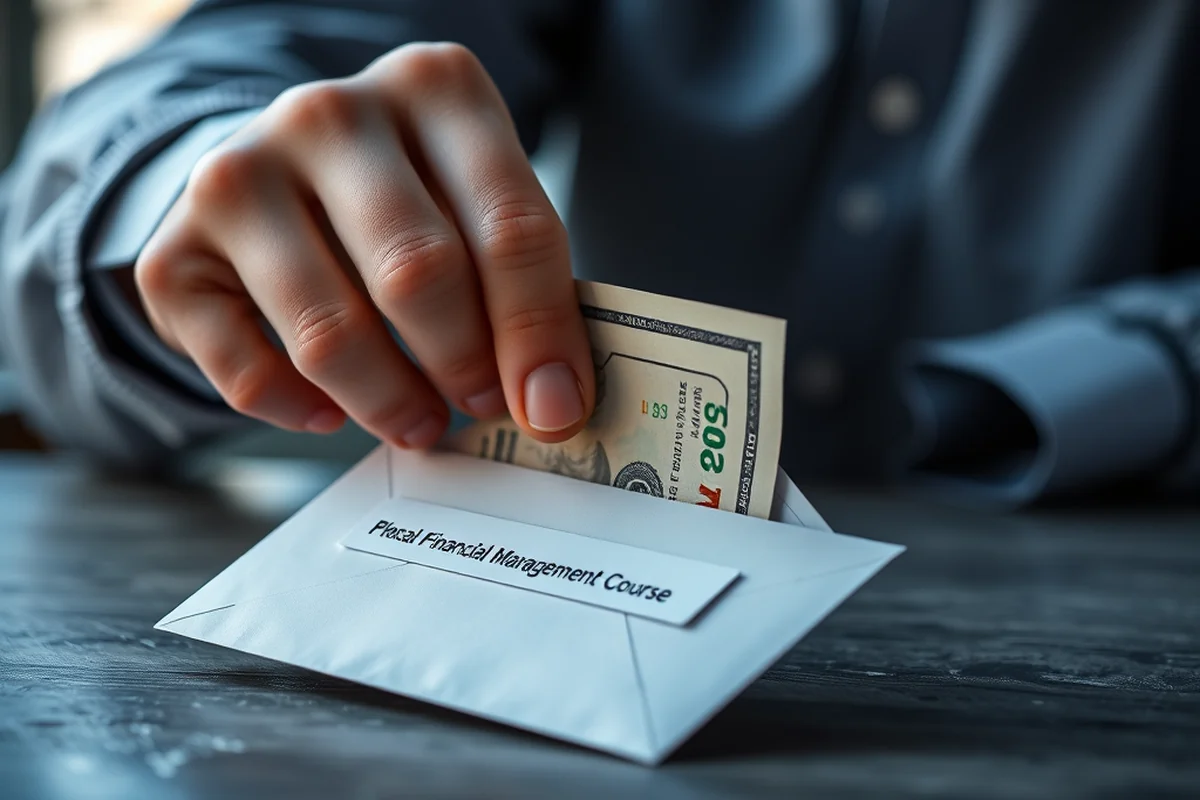
People from all walks of life take personal financial management courses. I know a college student who used a course to plan for her future, and I also know a retiree who used one to manage his savings. Whether you're struggling with debt, trying to save for a house, or just looking to improve your financial literacy, these courses are for you.
These courses are especially helpful for people with irregular incomes, such as freelancers or those working in the gig economy. I took a course that taught me how to manage my income when my earnings fluctuated from month to month, and it made a world of difference. It gave me the confidence to plan my finances even when my income wasn’t stable.
Another group that benefits a lot from these courses is couples who are trying to manage their finances together. I've seen how difficult it can be for couples to coordinate their spending and savings. A course can help them align their financial goals and create a joint budget that works for both of them.
A course can help you and your partner align your financial goals and create a joint budget that works for both of you.
Related: What is financial cost
Related: What are personal financial records
Related: What is personal financial information
Related: What is a personal financial statement example
What Are the Key Components of a Personal Financial Management Course?
Most courses are structured around the basics of personal finance — budgeting, saving, investing, and building credit. I took a course that covered all of these topics and more, including how to use credit cards responsibly and how to avoid common financial mistakes.
One of the first lessons I learned was how to create a budget using the 50/30/20 rule — 50% for needs, 30% for wants, and 20% for savings and debt. This simple framework helped me organize my money in a way that made sense for my lifestyle.
Another important component of these courses is learning how to set financial goals. For example, I used a course to set a goal of saving $1,000 for an emergency fund, and within three months, I had reached that goal. It was a small victory, but it gave me the motivation to keep going.[2]
Set clear, measurable financial goals, such as saving for a vacation or paying off a credit card. Having specific goals can help you stay motivated and on track.
“I remember sitting across the table from my financial advisor, feeling like I was drowning in debt.”— Financial Planning for Military Personnel editors
Related: What is personal financial
How Can a Personal Financial Management Course Help You?

One of the biggest benefits of a personal financial management course is that it gives you the tools to take control of your money. I used to feel like I was always running out of money, but after taking a course, I learned how to track my spending and cut back on unnecessary expenses.
Another benefit is that these courses teach you how to build better financial habits. For example, I learned how to save a portion of my income each month, which helped me build an emergency fund and start investing in the stock market.
These courses also help you avoid common financial mistakes, such as overspending, not saving, and getting into debt. I was able to avoid these mistakes by learning from other people’s experiences and applying what I learned to my own life.
What Are the Different Types of Personal Financial Management Courses?
Personal financial management courses come in a variety of formats, and the type of course you choose can depend on your learning style and schedule. I took an online course that I could complete at my own pace. I also know people who prefer in-person classes or workshops where they can ask questions and get real-time feedback.
Online courses are a great option for people who are busy or have limited time. They often include video lessons, interactive exercises, and quizzes to test your knowledge. I found that these courses were very flexible and allowed me to learn at my own pace.
In-person classes and workshops are also a good option, especially if you're looking for a more hands-on experience. I've seen people who have benefited from these types of courses because they were able to interact with the instructor and get immediate help with any questions they had.
How Much Does a Personal Financial Management Course Cost?
The cost of a personal financial management course can vary widely depending on the provider and the type of course. I took a free online course that covered the basics of personal finance, and it was very helpful. However, some courses may cost anywhere from $50 to $500, depending on the level of instruction and the materials provided.[3]
Many online courses are free or low-cost, making them accessible to people on a tight budget. For example, I found a course on Coursera that was free to take, and it covered all the basics of personal financial management. It was a great way to get started without spending a lot of money.
If you're looking for a more in-depth course, you may need to pay more. However, the cost of these courses is often offset by the long-term benefits they provide, such as improved financial habits, increased savings, and better credit scores.
Many online courses are free or low-cost, making them accessible to people on a tight budget.
What Are the Benefits of Taking a Personal Financial Management Course?
One of the biggest benefits of taking a personal financial management course is that it helps you improve your financial literacy. I used to feel overwhelmed by financial jargon and complex concepts, but after taking a course, I was able to understand terms like interest rates, credit scores, and investment returns with ease.
Another benefit is that these courses can help you reduce debt. I was able to pay off my credit card debt within six months by applying what I learned in a course. I had been struggling with debt for years, but the course gave me the tools and strategies I needed to finally get out of the cycle.
Finally, taking a course can help you achieve your financial goals. Whether it's buying a house, starting a business, or retiring early, these courses can give you the knowledge and confidence you need to make it happen. I used what I learned to start investing in the stock market, and within a year, I had earned a small but steady income from my investments.
💰 Personal Budgeting for Beginners
A great starting point for those new to personal finance. Learn the basics of budgeting, saving, and managing your money effectively.
💸 Aggressive Debt Payoff Plan
Designed for people who want to pay off debt quickly. Learn advanced strategies for eliminating debt and improving your credit score.
📊 Financial Planning for Irregular Income
Perfect for freelancers, gig workers, and others with fluctuating incomes. Learn how to manage your money when your income isn't consistent.
👨👩👧👦 Joint Financial Planning for Couples
Helps couples align their financial goals and create a joint budget that works for both of them.
📈 Investing for the Future
For those looking to grow their wealth through investing. Learn the basics of stocks, bonds, and other investment options.
| The mistake | Why it happens | The fix |
|---|---|---|
| Not setting a clear financial goal | Without a clear goal, it's easy to lose focus and not make progress with your finances. | Set specific, measurable financial goals, such as saving $500 for an emergency fund or paying off a credit card within six months. |
| Ignoring your budget | Many people create a budget but fail to stick to it, which can lead to overspending and financial stress. | Review your budget regularly and adjust it as needed. Use a budgeting app or spreadsheet to track your spending and stay on track. |
| Not tracking your expenses | It's easy to overspend without realizing it if you don't track your expenses. | Use a budgeting app or spreadsheet to track your spending for at least a month. This will help you identify areas where you can cut back. |
| Ignoring your credit score | Your credit score plays a major role in your financial health, and ignoring it can lead to higher interest rates and difficulty getting loans. | Check your credit score regularly and take steps to improve it, such as paying your bills on time and keeping your credit utilization low. |
What Is A Personal Financial Management Course
Common Questions
What are the main topics covered in a personal financial management course?
Can I take a personal financial management course online?
How long does it take to complete a personal financial management course?
Do I need any financial experience to take a personal financial management course?
References
- Personal Finance - TN.gov (tn.gov)
- Personal Financial Management Desk Guide (finredstage.usalearning.gov)
- Finance (FIN) - Florida Gulf Coast University Academic Catalog (catalog.fgcu.edu)
Cite this guide
Financial Planning for Military Personnel (2026). What Is A Personal Financial Management Course. https://dutyvest.com/what-is-a-personal-financial-management-course/
Feel free to cite or share this guide.