
Department Of Veterans Affairs
📖 Table of Contents
- Understanding the VA and Personal Finance
- VA Home Loan Program: A Game Changer for Veterans
- Disability Compensation: A Crucial Component of Financial Planning
- VA Healthcare: More Than Just Medical Care
- VA Education and Employment Assistance
- VA Retirement and Income Planning
- VA Financial Counseling: A Lifeline for Veterans
- Make It Your Way
- Frequently Asked Questions
The first time I stepped into a VA office, I was overwhelmed. It was a few years after leaving the military, and the financial fog of transition was thick. I remember standing in line, clutching my discharge papers and a folder of documents, unsure of where to begin. That day, I learned the Department of Veterans Affairs (VA) isn’t just a bureaucratic institution—it’s a lifeline for military families and veterans, offering programs that can simplify personal finance, from housing to healthcare to disability compensation.[1]
As I sat in the waiting room, the VA brochure in my hands detailed benefits I hadn’t even considered. There was the home loan guarantee program, the health insurance options, even assistance with education and employment. I realized that understanding the VA’s role in personal finance wasn’t just about surviving the transition—it was about building a future. It was about knowing your rights, your options, and the support that exists for you and your family.[2]
Over the next few years, I learned more about the VA’s financial tools, and how they can be used strategically to manage debt, save for retirement, and invest in long-term security. My journey with the VA changed the way I viewed personal finance—no longer as a series of isolated decisions, but as a system of support, available through the Department of Veterans Affairs.
Why You'll Love This Article
- Discover how the VA can help with housing, health, and income stability.
- Understand how to access key benefits like home loans and disability compensation.
- Learn to avoid common financial pitfalls when transitioning out of service.
- Get real-world tips for maximizing VA programs in your personal finance plan.
Understanding the VA and Personal Finance
As of October 2026, the Department of Veterans Affairs (VA) is more than just a government agency—it's a financial partner for veterans and their families. From housing assistance to healthcare and income support, the VA offers a range of programs designed to ease the transition from military to civilian life. The VA's home loan program, for example, allows veterans to purchase homes with no down payment, which can be a game-changer for someone just starting out.
Beyond housing, the VA also provides disability compensation for service-connected injuries, which can significantly impact a veteran’s financial stability. I once spoke with a veteran who had to quit his job due to a service-related injury, and the VA's disability compensation allowed him to maintain a stable income. It was a lifeline he didn’t know he had until he reached out.
The VA also offers financial counseling services, which can help veterans understand their options and plan for the future. These services are free and available to all veterans, making them an invaluable resource for anyone handling the complexities of personal finance after leaving the military.
The VA offers free financial counseling that can help you understand your options and plan for the future.
Part of our Military benefits guide.
VA Home Loan Program: A Game Changer for Veterans
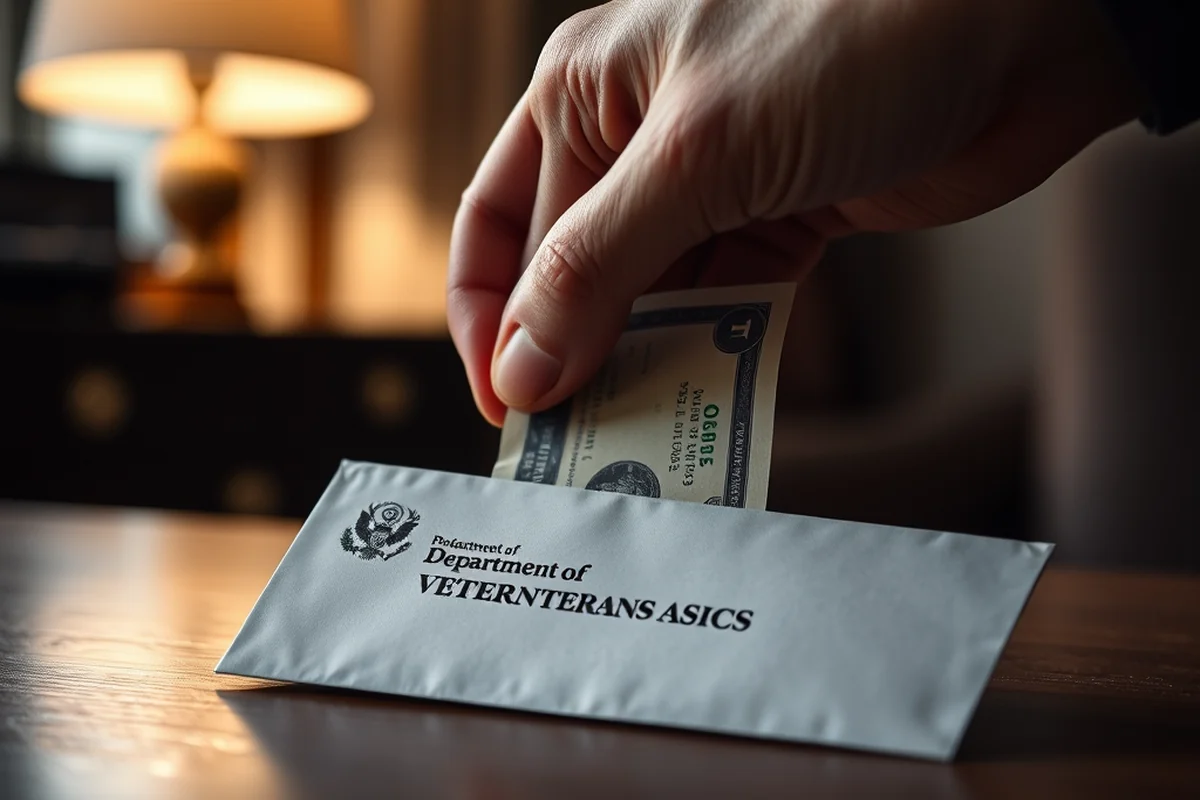
If you’re a veteran, the VA home loan program can be one of the most valuable financial tools you’ll ever come across. Unlike traditional home loans, VA loans require no down payment and offer lower interest rates. I took advantage of this program myself, and it allowed me to purchase my first home without the burden of a large down payment or high interest costs.
The program is also backed by the government, which means lenders are more willing to offer favorable terms to veterans. This not only makes buying a home more accessible but also ensures that veterans have the opportunity to build equity in their homes from the start.
For veterans with service-connected disabilities, the VA even offers grants to help with home modifications, such as installing ramps or wheelchair-accessible bathrooms. These modifications can cost thousands, but the VA’s assistance can cover a significant portion of the expense.
VA home loans are not just about buying a house—they’re about building a future.
Related: Old navy for kids
Disability Compensation: A Crucial Component of Financial Planning
If you have a service-connected disability, the VA offers monthly disability compensation that can be a critical part of your financial planning. The amount you receive depends on the severity of your disability and the impact it has on your daily life. I met a veteran who had to leave his job due to a back injury sustained in service, and the VA’s disability compensation allowed him to maintain his quality of life.
This compensation is tax-free and can be a reliable source of income, especially if your disability limits your ability to work. It’s also possible to receive additional compensation for dependents, which can help support your family.
Applying for disability compensation can be a lengthy process, but the VA offers assistance to help you handle the application. This includes online tools and access to VA representatives who can guide you through the process.
The earlier you apply for disability compensation, the sooner you can receive the support you need.
“The first time I stepped into a VA office, I was overwhelmed.”— Financial Planning for Military Personnel editors
Related: Air force ranks
VA Healthcare: More Than Just Medical Care

VA healthcare is often overlooked with personal finance, but it can have a significant impact on your long-term financial health. The VA offers a wide range of medical services, from routine checkups to specialized care, at little to no cost. This means that veterans can receive the care they need without worrying about high medical bills or insurance premiums.
I once knew a veteran who was hesitant to use VA healthcare because he thought it was only for older veterans or those with severe conditions. But after a routine checkup revealed a potential issue, he was able to receive treatment early, which saved him from more expensive procedures down the line.
By using VA healthcare services, veterans can avoid the financial strain of private insurance and out-of-pocket medical costs. This not only helps with immediate medical needs but also contributes to long-term financial stability.
Related: What is military gear
VA Education and Employment Assistance
Transitioning from military to civilian life can be challenging, but the VA’s education and employment programs can help ease the process. The Post-9/11 GI Bill, for example, provides financial support for veterans pursuing higher education, covering tuition and fees at public and private institutions. (44%, digitalcommons.csp.edu)[3]
In addition to education, the VA offers employment assistance through programs like the Veterans’ Employment and Training Service (VETs). This includes resume help, job placement assistance, and access to specialized training programs that can help veterans find work in their desired fields.
I met a veteran who used the VA’s education benefits to pursue a degree in information technology. After graduating, he was able to secure a well-paying job in a growing industry, thanks in part to the VA’s employment support services.
Related: Us navy logo
VA Retirement and Income Planning
Retirement planning is a crucial part of personal finance, and the VA offers several tools and services to help veterans prepare for their future. These include financial counseling, access to retirement planning resources, and assistance in understanding the full range of benefits available to veterans.
One of the key services the VA offers is the ability to estimate your retirement benefits based on your service record. This can help you plan for the future and make informed decisions about your financial goals.
By working with the VA’s retirement planning resources, veterans can ensure that they are on track for a secure financial future. This is especially important for those who may not have had the opportunity to save for retirement while in service.
Retirement planning isn’t just about money—it’s about making sure your future is secure.
Related: What national guard
VA Financial Counseling: A Lifeline for Veterans
One of the most valuable services the VA offers is financial counseling. These services are free and available to all veterans, providing personalized guidance on budgeting, debt management, and long-term financial planning.
I once attended a VA financial counseling session, and it was one of the most helpful experiences I had after leaving the military. The counselor helped me understand my options and create a budget that worked for my lifestyle. This experience gave me the confidence to make better financial decisions.
Financial counseling through the VA is a great resource for veterans who may be new to personal finance or struggling with debt. It’s a way to get expert advice without the cost of a private financial advisor.[4]
🏠 Veteran Homeownership
The VA home loan program can help veterans buy a home with no down payment and low-interest rates.
💰 Disability Income
Veterans with service-connected disabilities can receive monthly compensation to support their financial needs.
🎓 Education Benefits
The GI Bill provides financial support for veterans pursuing higher education, helping them build a better future.
💼 Retirement Planning
VA financial counseling helps veterans plan for retirement and make informed financial decisions.
🏥 Healthcare Savings
VA healthcare services reduce long-term medical costs, allowing veterans to focus on other financial goals.
| The mistake | Why it happens | The fix |
|---|---|---|
| Not applying for disability compensation early | Delaying the application can result in missing out on crucial financial support for service-connected injuries. | Reach out to the VA as soon as you notice a potential service-connected disability and apply for compensation as early as possible. |
| Overlooking VA healthcare services | Failing to use VA healthcare can lead to higher medical costs and missed opportunities for early detection of health issues. | Take advantage of VA healthcare services and use them regularly to ensure long-term health and financial stability. |
| Not using VA education benefits | Not applying for education benefits can cost veterans thousands in tuition and lost opportunities for career advancement. | Research the education benefits available through the VA and apply for them as soon as possible, especially if you plan to pursue a degree or certification after leaving the military. |
| Ignoring VA financial counseling | Not utilizing VA financial counseling can leave veterans unprepared for the financial challenges of civilian life. | Take advantage of the free financial counseling services offered by the VA to get personalized guidance and support. |
Department Of Veterans Affairs
Common Questions
Can I use a VA home loan if I have a co-signer?
How long does it take to get disability compensation?
Are VA healthcare services available to all veterans?
Can I use VA education benefits if I’m a spouse or dependent of a veteran?
References
- Employing Returning Combat Veterans as Law Enforcement Officers (bja.ojp.gov)
- Federal Benefits for Veterans, Dependents Survivors and Caregivers (department.va.gov)
- A Case Study of Military Transition to Civilian Life (digitalcommons.csp.edu)
- FINVET: Financial Resources for Veterans - Military OneSource (militaryonesource.mil)
Cite this guide
Financial Planning for Military Personnel (2026). Department Of Veterans Affairs. https://dutyvest.com/department-of-veterans-affairs/
Feel free to cite or share this guide.